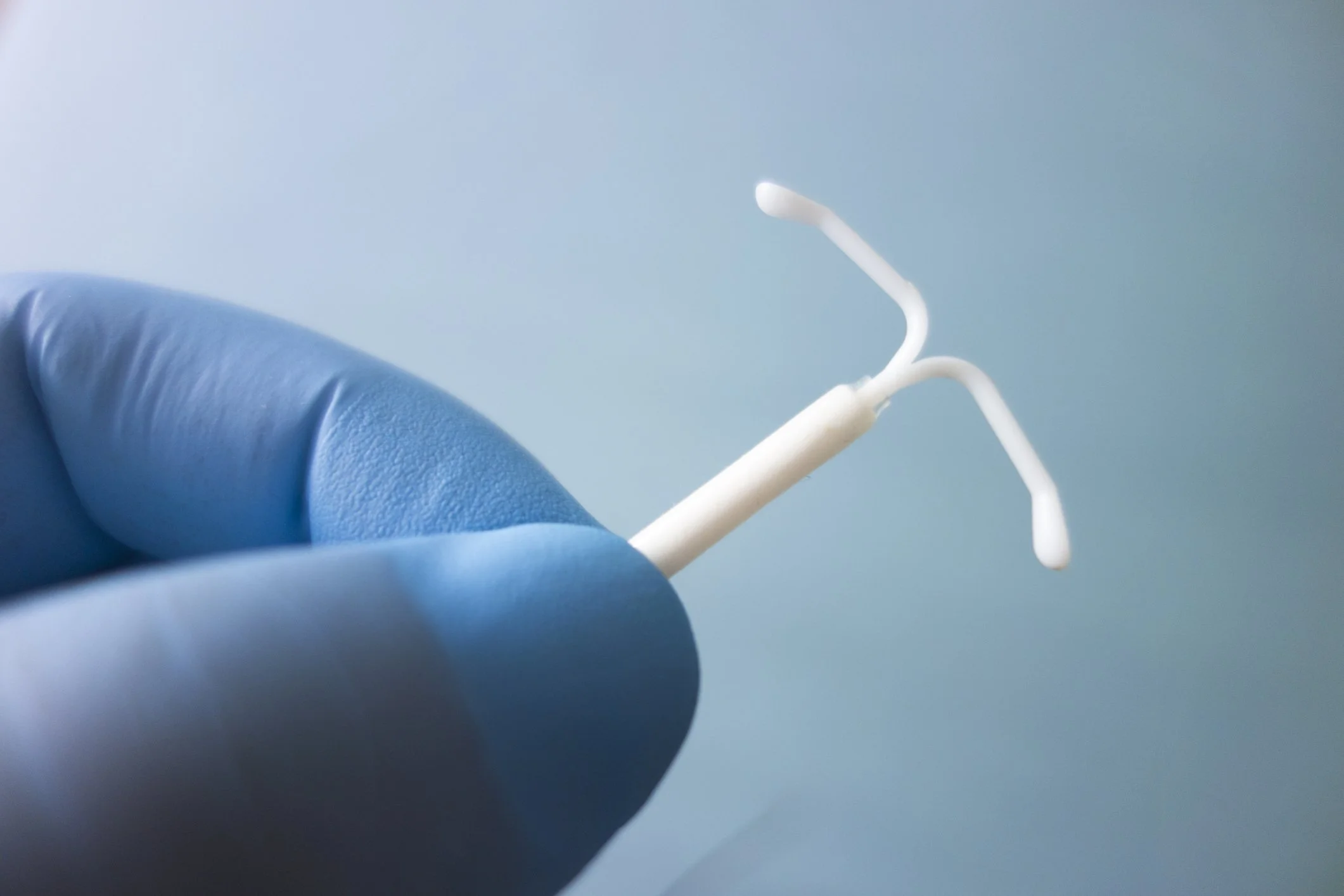
Building the first non-hormonal intrauterine therapy for primary dysmenorrhea, also known as menstrual pain
MelioOne® is a drug-device combination with a novel route of administration, built on established components, de-risked by regulatory precedent

THE PROBLEM
300 million women around the world experience severe primary dysmenorrhea¹. It affects productivity and is a major macroeconomic challenge.
62%
of women are unsatisfied with current pain management solutions²
$4.8K
per-person annual productivity loss³
38%
report not being able to perform regular daily activities during menstruation⁴
1 in 6
women are contraindicated for hormone therapy⁵
THE TREATMENT GAP
There’s a gap in the treatment algorithm for menstrual pain management
Current pain management options include oral painkillers and hormone therapy (birth control pills, hormonal IUDs). Yet, there's a gap for patients suffering from refractory pain that oral painkillers don’t address sufficiently⁶, as well as patients who can't take hormones due to treatment contraindications⁵ or who prefer not to.
MelioOne® is a local, non-hormonal, long-acting treatment option designed to fill the gap.
We conducted studies with patients and gynecologists about dysmenorrhea, current standard-of-care treatments, and what they thought about MelioOne®.
Here’s what they said:

800 patients were asked if they would use MelioOne® for pain management:
75% of patients with severe pain responded with “Yes”
17% said “Maybe”

100 gynecologists were asked if they would prescribe MelioOne®:
71% of gynecologists said they would be “very likely” or “likely” to
References:
1 de Arruda GT, Barbosa-Silva J, Driusso P, Pathmanathan C, Armijo-Olivo S, Avila MA. Pain. 2026;167(1):41-55
2 Meliodays Period Pain Report, 2024 (N.800 women in the US and Germany)
3 O'Shea et al., Australian Journal of Social Issues, 2026. Figure reflects Australian survey data (Int$4,882/woman/year, PPP-adjusted). Meliodays’ estimate: comparable order-of-magnitude loss expected across Meliodays’ target market;
4 Schoep, M. E., et al. (2019). "The impact of menstrual symptoms on everyday life: a survey among 42,879 women." Am J Obstet Gynecol 220(6): 569.e561–569.e567
5 Erly SJ, Forward TR, Rogers ZH, Hawes SE, Micks E. J Womens Health (Larchmt). 2022;31(4):580-585, Lauring JR, Lehman EB, Deimling TA, Legro RS, Chuang CH. Am J Obstet Gynecol. 2016;215(3):330.e1-7
6 Oladosu FA, Tu FF, Hellman KM. Nonsteroidal antiinflammatory drug resistance in dysmenorrhea: epidemiology, causes, and treatment. Am J Obstet Gynecol. 2018 Apr;218(4):390-400
OUR SOLUTION
The first non-hormonal intrauterine therapy for primary dysmenorrhea, built on two proven components
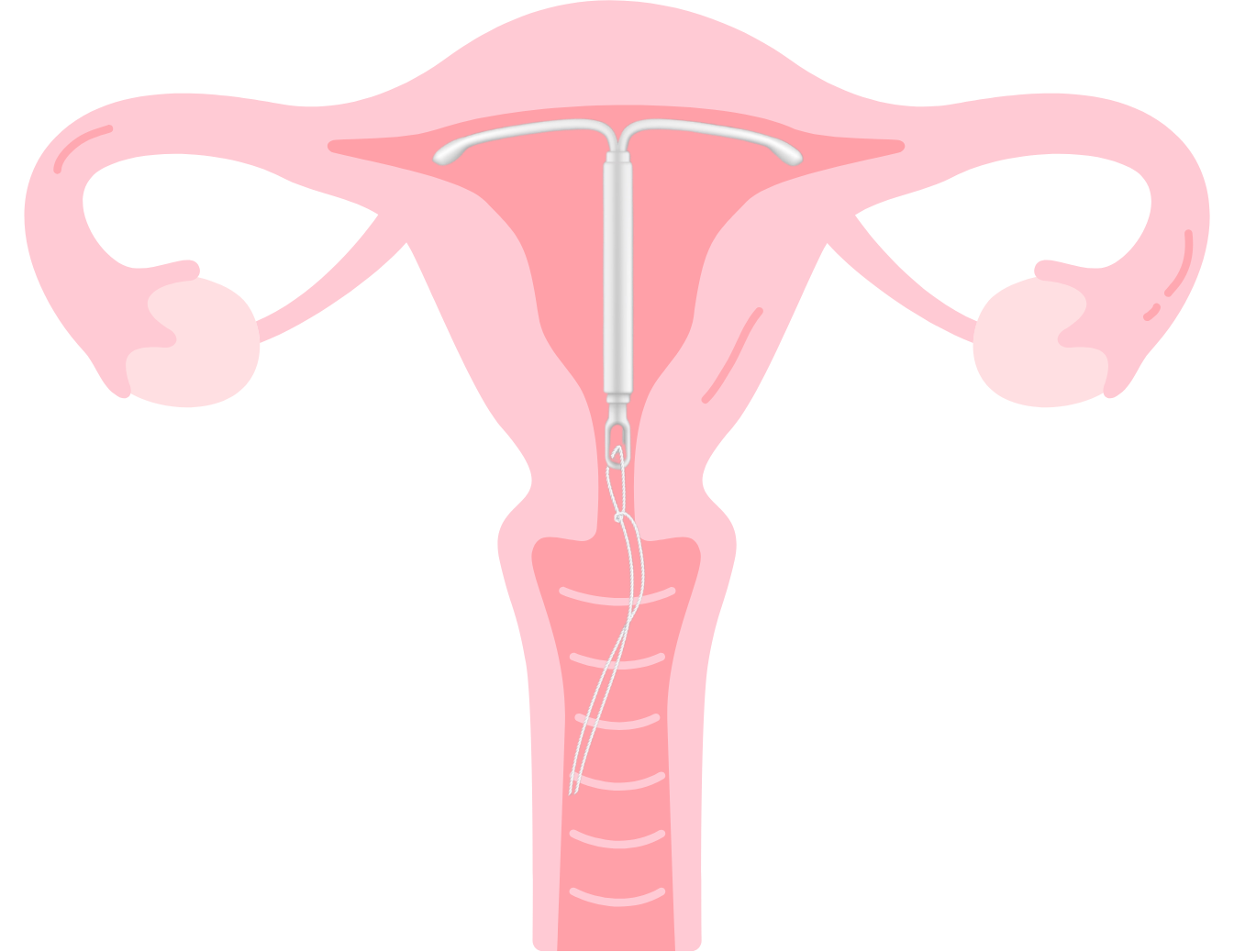
Drug-led drug-device combination
Drug: Celecoxib was approved in 1998 with an established safety and efficacy profile
Device: Polymer frame approved in 1984 with an established safety and efficacy
Established intrauterine
delivery
Local delivery: Enables delivery of a therapeutic dose with minimal systemic side effects
Clinical workflow: Identical for IUD insertion with reimbursement precedent for therapeutic indication
DEVELOPMENT STATUS

MelioOne® is an investigational product and is currently in preclinical development
Target First Indication:
Primary Dysmenorrhea
TIMELINE
COMPANY NEWS