


About
Dysmenorrhea
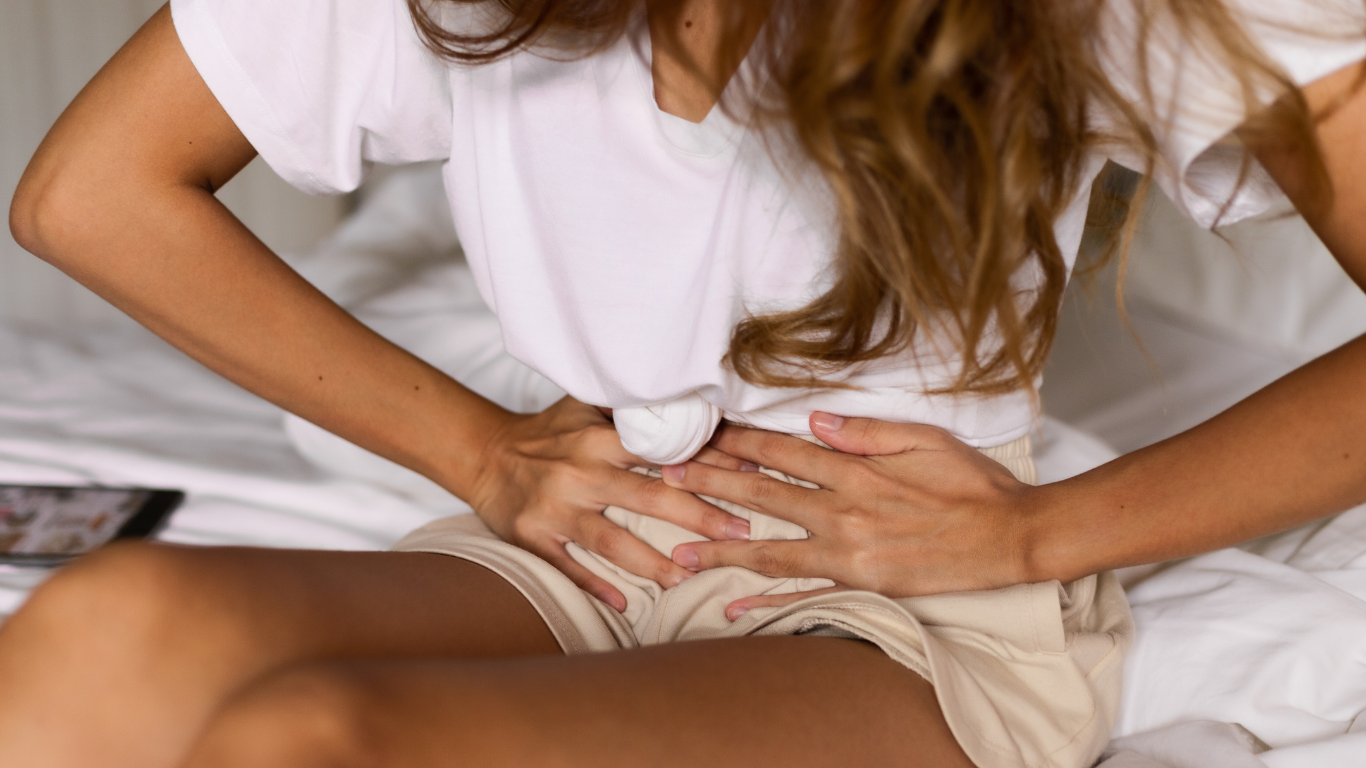
Dysmenorrhea, also known as menstrual pain, impacts 300 million women around the globe
PREVALENCE & IMPACT
Although a common condition dysmenorrhea is not normal
Menstrual pain is a huge macroeconomic challenge. 300 million women aged 15-49 worldwide suffer from primary dysmenorrhea¹. It significantly impacts quality of life, productivity, and mental health.
$4,882 is the cost of lost productivity per person annually²
38% of patients report not being able to perform regular daily activities during menstruation³
62% of patients are unsatisfied with current pain management solutions⁴
1 in 6 women is contraindicated for hormonal therapy⁵
References:
1 de Arruda GT, Barbosa-Silva J, Driusso P, Pathmanathan C, Armijo-Olivo S, Avila MA. Pain. 2026;167(1):41-55
2 O'Shea et al., Australian Journal of Social Issues, 2026. Figure reflects Australian survey data (Int$4,882/woman/year, PPP-adjusted). Meliodays’ estimate: comparable order-of-magnitude loss expected across Meliodays’ target market;
3 Schoep, M. E., et al. (2019). "The impact of menstrual symptoms on everyday life: a survey among 42,879 women." Am J Obstet Gynecol 220(6): 569.e561–569.e567
4 Meliodays Period Pain Report, 2024 (N.800 women in the US and Germany)
5 Erly SJ, Forward TR, Rogers ZH, Hawes SE, Micks E. J Womens Health (Larchmt). 2022;31(4):580-585, Lauring JR, Lehman EB, Deimling TA, Legro RS, Chuang CH. Am J Obstet Gynecol. 2016;215(3):330.e1-7
TYPES OF DYSMENORRHEA
Primary Dysmenorrhea
Menstrual pain occurring without any underlying structural pelvic pathology or organ-related gynecological condition
Recurrent, cramping lower abdominal and pelvic pain that peaks during the first 1–2 days of menstruation
Risk factors
Key risk factors include a family history of primary dysmenorrhea, early age of menarche, and heavy menstrual flow
Cannot be prevented, but individual pain and symptoms can be effectively managed
Highly prevalent among adolescents and young adults
Pathophysiology & Mechanism
Driven primarily by the hyperproduction of, or heightened sensitivity to, uterine inflammatory prostaglandins, predominantly PGE2 and PGF2α
Released during endometrial sloughing at menses, prostaglandins trigger contractions, reduced uterine blood flow, and temporary tissue ischemia
Clinical Onset & Course
Onset typically begins early, usually 6 to 24 months after menarche, once ovulatory cycles are established
Pain timing starts shortly before or at the onset of menses and sharply peaks during the first 24 to 48 hours
Symptoms often improve after childbirth or with advancing age
Symptoms
Pelvic & Abdominal Pain: Lower abdominal or pelvic cramping that begins shortly before or at the onset of menses and subsides as flow decreases
Systemic Symptoms: Headaches, body and joint aches, lethargy, fatigue, sleep disturbances, tender breasts, and swollen legs
Gastrointestinal Symptoms: Appetite changes, nausea, vomiting, bloating, and abdominal discomfort
Elimination & Autonomic Symptoms: Diarrhea, constipation, polyuria, and hyperperspiration (sweating)
Psychological Impact: Mood swings, heightened anxiety, irritability, and emotional strain during the premenstrual and early menstrual phase
Management & Therapy
First-line pharmacologic options include over-the-counter or prescription NSAIDs and hormonal contraceptives
Non-pharmacologic and lifestyle strategies include heat therapy, exercise, dietary adjustments, and acupuncture
Pain is generally responsive to standard first-line therapies
Secondary Dysmenorrhea
Menstrual pain caused by an underlying pelvic pathology or organ-related gynecological condition
Common causes include endometriosis, adenomyosis, uterine fibroids, pelvic inflammatory disease, and more
Pain can occur across the entire menstrual cycle and frequently persists during non-menstrual periods
Risk factors
Risk factors include prior pelvic infections, pelvic or uterine surgeries, and family history of gynecological conditions
Can affect individuals at any reproductive age, with risk increasing with the presence or progression of pelvic disease
Root resolution depends on identifying and treating the underlying disease state
Pathophysiology & Mechanism
Driven by structural lesions, tissue invasion, adhesions, and localized tissue inflammation
Structural changes further trigger elevated prostaglandin production, leading to severe uterine contractions and pain
Mechanical obstruction or altered pelvic anatomical alignment can also directly cause pain and pressure
Clinical Onset & Course
Symptom onset can begin during adolescence or years after menarche
Symptoms are often misattributed to primary dysmenorrhea, leading to significant diagnostic delays before the root condition is identified
Pain is progressive over time and often refractory or poorly responsive to standard over-the-counter NSAIDs
Symptoms
Pelvic & Abdominal Pain: Lower abdomen, pelvic, or lower back pain that often starts several days before menses and persists through or beyond the bleed; painful intercourse and persistent pelvic pressure
Gastrointestinal Symptoms: Severe bloating, painful bowel movements, diarrhea, or constipation, especially tied to menses
Urinary Symptoms: Painful urination, urinary frequency, or urgency when adjacent pelvic structures are involved
Reproductive & Cycle Irregularities: Heavy menstrual bleeding (menorrhagia), intermenstrual spotting, and subfertility or infertility
Systemic & Psychological Impact: Chronic fatigue, sleep disturbance, and emotional distress from prolonged, unmanaged pain
Management & Therapy
Requires clinical workup and evaluation, including pelvic imaging (e.g., ultrasound, MRI) and diagnostic laparoscopy
Medical strategies include targeted hormonal suppression, progestins, or GnRH agonists/antagonists
Surgical interventions are frequently utilized for both definitive diagnosis and treatment, e.g., laparoscopic excision, lesion ablation, or myomectomy
Frequently Asked Questions (FAQs)
-
Oral NSAIDs depend on correct timing, dosage, and adherence. Some patients see only partial relief or stop use due to gastrointestinal or cardiovascular side effects.
-
Chronic systemic use of oral painkillers can increase the risks of gastric irritation, ulcers, and, in some cases, renal or cardiovascular effects, making safer, targeted approaches worth exploring.
-
Medicine has long turned to hormones, usually via contraceptives, to suppress cycles and reduce pain. But not everyone can or wants to take hormones, and side effects often limit their use.
-
Menstrual pain management options are limited to oral painkillers, hormone therapy, lifestyle adjustments, and non-pharmacologic options such as heat therapy, CBD tampons, and period supplements.
There are few pharmacologic, long-acting, hormone-free treatments on the market. That’s precisely why we’re building a non-hormonal, long-term solution like MelioOne®